Ever stare at that blinking cursor on LinkedIn, completely stumped on what to share? You're not alone. The pressure to be insightful, professional, and engaging can lead to a serious case of content paralysis, where you end up posting nothing at all. But what if you had a playbook of proven ideas that not only fill your content calendar but also build your personal brand and spark meaningful conversations?
The key isn't just knowing that you should post, but understanding what to post on LinkedIn to achieve your specific professional goals. This isn't about throwing random updates at the wall and hoping something sticks. It's about being strategic with your content to connect, influence, and grow.
If you're struggling to generate fresh ideas for your LinkedIn posts, sometimes you need a broader approach to jumpstart your content creation process. Consider exploring these 10 innovative ways to spark creativity to get your mind working differently.
In this comprehensive guide, we'll break down 10 powerful post types, complete with actionable tips and real-world examples. Whether you're looking to establish yourself as a thought leader, attract recruiters, or simply connect with your network on a deeper level, these ideas will help you move from content confusion to confident creator. Let's dive in.
1. Professional Milestones and Career Achievements
Sharing professional milestones is one of the most classic and effective ideas for what to post on LinkedIn. These posts are about celebrating your career wins, whether it's a new job, a promotion, a hard-earned certification, or a major project you just wrapped up. This type of content works so well because it’s personal, positive, and gives your network a reason to celebrate with you.

These announcements do more than just share good news; they build your credibility and reinforce your professional brand. When your connections see you advancing, it solidifies your expertise and dedication in their minds. Plus, LinkedIn's algorithm loves these posts, often giving them extra visibility and prompting notifications like "Say congrats to Jane for starting a new position!"
How to Make Your Milestone Post Shine
To get the most out of your announcement, don’t just state the fact. Tell a quick story.
- Express Gratitude: Always thank the people who helped you get there. Mentioning mentors, colleagues, or your team makes the post more genuine and inclusive.
- Share the Journey: Briefly touch on the effort involved. For example, instead of just "I got my PMP certification," try "After 6 months of late-night study sessions, I'm thrilled to have earned my PMP certification."
- Quantify Your Achievement: If you can, add a specific metric. For instance, "Excited to share we completed the Project Phoenix rollout, which is projected to increase efficiency by 15%."
By following these tips, you turn a simple update into a powerful networking tool that strengthens relationships and keeps you top-of-mind in your industry. For more great examples, you can check out these LinkedIn post examples and templates to see how others are crafting their announcements.
2. Industry Insights and Thought Leadership
Sharing your unique perspective on industry trends is a powerful idea for what to post on LinkedIn to establish yourself as an expert. This isn't about repeating news; it's about providing original analysis, interpreting data, or making bold predictions. This type of content showcases your deep understanding of your field and positions you as a go-to resource.
Thought leadership posts spark meaningful conversations and attract followers who are genuinely interested in your professional insights. When you consistently offer value beyond self-promotion, you build a reputation as a credible and forward-thinking professional. These posts work well because they provide genuine value to your network, encouraging engagement from peers, potential clients, and even future employers.
How to Craft an Insightful Post
To avoid simply adding to the noise, focus on creating content that is truly original and valuable.
- Offer a Unique Take: Don't just report on a trend. Analyze it. For example, instead of saying, "AI is growing in marketing," try, "Here are three underrated AI tools that will change how small businesses approach content creation in the next 12 months."
- Back It Up with Data: Strengthen your arguments with statistics, case studies, or personal experience. Mentioning specific data points adds credibility and makes your insights more compelling.
- Ask Engaging Questions: End your post with a question to encourage comments. For instance, "What other trends are you seeing in this space?" or "Do you agree with this prediction? Why or why not?"
By sharing well-reasoned insights, you create a space for professional dialogue and solidify your authority. For a deeper dive into crafting these types of posts, explore these thought leadership content examples for inspiration.
3. Behind-the-Scenes and Company Culture Content
Sharing behind-the-scenes content gives your network an authentic look into your workplace, team dynamics, and company values. These posts go beyond products and services, humanizing your brand and showing the real people who make things happen. This type of content is powerful because it builds trust and creates a genuine connection with your audience, whether they are potential clients or future employees.

From team volunteer days to a "day in the life" office tour, these posts attract talent that aligns with your company's mission and values. By showcasing what makes your organization a great place to work, you build a strong employer brand. It’s a fantastic idea for what to post on LinkedIn to show transparency and pride in your workplace culture, making your company more relatable and appealing.
How to Make Your Culture Post Stand Out
To create an impact, focus on authenticity rather than a polished corporate image. Tell the stories of your team and your mission.
- Spotlight Your People: Feature employees from different departments. A simple Q&A or a post celebrating a team member's non-work achievement can be very engaging.
- Show, Don't Just Tell: Use visuals like videos or photo carousels to capture the energy of your office, a company event, or a team-building activity. For example, instead of saying "we have a collaborative culture," post a video of a lively brainstorming session.
- Connect to Your Values: Tie your culture content back to your company's core values or mission. If one of your values is community, share photos from a recent volunteer day and explain why it matters to your team.
By sharing these glimpses, you transform your company page or personal feed from a simple business profile into a vibrant community hub.
4. Educational Content and How-To Posts
One of the most powerful ideas for what to post on LinkedIn is sharing your knowledge through educational content. These how-to posts teach your audience a valuable skill, framework, or process, positioning you as a helpful expert and a go-to resource in your field. This strategy builds trust and provides immediate value, which encourages saves and shares, giving your content a longer lifespan than typical updates.

When you teach something useful, you're not just sharing information; you're empowering your network. Whether it’s a guide on "5 steps to optimize your profile for recruiters" or "The RICE framework for prioritizing product features," these posts attract an engaged audience. They establish your authority and make people want to follow you for more actionable insights, which is a fantastic way to grow your influence.
How to Make Your Educational Post Stand Out
To create an effective how-to post, clarity and value are key. Don’t just explain a concept; show people how to apply it.
- Start with the Benefit: Hook your reader immediately by stating the outcome. For example, "Struggling with salary talks? Here are 3 research techniques that actually work."
- Use Clear Structure: Break down your advice into numbered lists or simple steps. This makes complex information easy to digest and follow.
- Keep Language Simple: Avoid industry jargon wherever possible. The goal is to make your knowledge accessible to a broader audience, not just other experts.
By consistently sharing valuable educational content, you build a loyal following. To dive deeper into crafting these types of updates, explore these tips on how to write engaging LinkedIn posts.
5. Controversial Takes and Unpopular Opinions
Posting a respectfully presented contrarian viewpoint is a powerful idea for what to post on LinkedIn. When done right, these posts challenge conventional industry wisdom and can generate significant engagement. This strategy works because it breaks the pattern of universally agreeable content, sparking genuine conversation and debate. It positions you as a thought leader who isn't afraid to think critically.
This type of content does more than just get likes; it gets people talking. By questioning a popular trend like the universal benefits of remote work or the guaranteed ROI of an MBA, you invite a wide range of perspectives into the comments. This signals to the LinkedIn algorithm that your content is valuable, increasing its reach and establishing you as an independent thinker.
How to Share an Unpopular Opinion Effectively
To make your controversial post spark a healthy debate instead of a firestorm, you need to be strategic.
- Provide Solid Reasoning: Don’t just state an opinion; back it up. Use data, personal experience, or a logical argument to support your take. For example, instead of "The 4-day work week is bad," try "While the 4-day work week is trending, my analysis shows it could reduce client accessibility by 20% in service-based industries."
- Frame it as a Discussion: Use inclusive language. Start with phrases like, "Here's an unpopular opinion I've been thinking about..." or "I'd like to challenge a common belief..." to invite dialogue, not a fight.
- Engage with Dissent: When people disagree in the comments, respond thoughtfully. Acknowledge their points and engage with valid counterarguments. This shows you're open-minded and confident in your position.
6. Personal Stories and Vulnerability Posts
Sharing personal stories and moments of vulnerability is a powerful idea for what to post on LinkedIn because it humanizes your professional brand. These posts go beyond skills and achievements to reveal the person behind the profile. By sharing authentic narratives about failures, lessons learned, or personal challenges, you create an opportunity for a much deeper connection with your audience.
This type of content resonates because it’s relatable. Everyone has faced setbacks or struggled with something. When you share your own journey, it shows character, resilience, and authenticity, which builds trust far more effectively than a perfect track record. These posts often spark meaningful conversations and generate some of the highest engagement, as they invite others to share their own experiences in the comments.
How to Make Your Vulnerability Post Authentic
To share a personal story effectively, the goal is connection, not just disclosure.
- Focus on the Lesson: Frame your story around a key takeaway. Instead of just saying "I failed," explain what the experience taught you. For example, "My first startup failed, but it taught me the invaluable lesson of market validation."
- Maintain Professional Boundaries: Be vulnerable, but not unprofessional. Avoid oversharing details that are overly personal or could reflect poorly on former employers. The story should serve a purpose for your professional audience.
- Write with Sincerity: Authenticity is key. Write from the heart in your own voice. The goal is to show your human side, and readers can easily spot when a post feels forced or written only for engagement.
By sharing with purpose and sincerity, you can turn a personal story into a compelling piece of content that strengthens your network and showcases your character.
7. Data, Research, and Original Findings
Sharing original research or unique data insights is a surefire way to establish yourself as a thought leader. This type of content involves presenting new information from surveys, studies, or your own data analysis that offers fresh perspectives to your industry. It’s a powerful idea for what to post on LinkedIn because it provides tangible value, generates high engagement, and is incredibly shareable.
Unlike opinion pieces, posts backed by data carry immense credibility and authority. When you bring original findings to the table, like HubSpot does with its annual reports, you’re not just participating in the conversation; you’re leading it. This positions you as an evidence-based expert and a go-to source for reliable information, prompting others to reference and share your work.
How to Make Your Data Post Stand Out
To make your research resonate, you need to make the data digestible and meaningful.
- Focus on the "So What?": Don’t just present numbers. Explain what they mean. Highlight a surprising or counterintuitive finding, such as, "We surveyed 1,000 remote workers and found that productivity increased by 12% with a 4-day work week."
- Visualize the Data: Use compelling charts, graphs, or infographics to make your findings easy to understand at a glance. Visuals are far more likely to be shared.
- Explain Your Methodology: Briefly mention your sample size and how you collected the data (e.g., "based on an analysis of 5 years of salary data for the tech industry"). This builds trust and credibility with your audience.
By turning raw data into a compelling narrative, you create an asset that not only educates your network but also solidifies your professional reputation.
8. Questions and Conversation Starters
One of the most powerful ideas for what to post on LinkedIn involves simply asking a question. Posting thought-provoking questions invites your network to share opinions, experiences, and perspectives, turning a static post into a dynamic conversation. This strategy works because it's inherently interactive; it lowers the barrier to entry for engagement and makes your audience feel seen and heard.
Question-based posts build community and provide valuable insights into what your audience is thinking. They signal that you value others' input, which fosters a sense of belonging around your professional brand. The LinkedIn algorithm often rewards posts with high comment volume, and a well-phrased question is one of the fastest ways to generate authentic discussion.
How to Make Your Question Post Spark a Conversation
To get the most engagement, your question needs to be more than just an afterthought. Frame it to encourage thoughtful replies.
- Be Specific and Open-Ended: Avoid yes/no questions. Instead of "Do you like remote work?" ask, "What's the one thing you'd change about your remote work setup if you could?"
- Share Your Own Take: Prime the pump by sharing your own perspective in the post or as the first comment. This gives others a starting point and makes you a participant in the conversation, not just its host.
- Engage with Responders: Actively reply to comments. Thank people for their input and ask follow-up questions to deepen the discussion. This shows you're genuinely interested and encourages more people to join in.
By asking genuine questions, you create a space for meaningful interaction, build stronger relationships, and learn directly from your professional community.
9. Gratitude and Appreciation Posts
Showing gratitude is a powerful way to build and nurture professional relationships, making it a fantastic idea for what to post on LinkedIn. These posts are all about publicly acknowledging the mentors, colleagues, clients, or teams who have supported you. This content resonates deeply because it’s authentic, positive, and shines a spotlight on others, strengthening your professional bonds and fostering community goodwill.
Appreciation posts do more than just make people feel good; they reflect positively on your character and leadership qualities. When you take the time to thank someone, it shows you value collaboration and recognize that success is often a team effort. The LinkedIn algorithm tends to favor this positive, engaging content, and tagging the people you’re thanking increases the post’s reach significantly.
How to Make Your Gratitude Post Resonate
To make your post feel genuine and impactful, move beyond a simple "thank you." Tell the story behind your appreciation.
- Be Specific: Don't just say thanks. Explain why you're grateful. Instead of "Thanks to my mentor, Jane," try "Huge thanks to my mentor, Jane Doe, for teaching me how to navigate difficult client negotiations."
- Share a Concrete Lesson: Detail a specific piece of advice or an action that made a difference. For example, "I'll never forget when my team stayed late to help me hit a deadline. Their dedication taught me the true meaning of collaboration."
- Highlight Their Impact: Connect their support to a tangible outcome. Mention what their help enabled you to achieve, such as, "Thanks to my amazing team's hard work, we successfully launched the new software ahead of schedule."
By sharing specific, heartfelt stories of gratitude, you create posts that are not only well-received but also reinforce your reputation as a supportive and appreciative professional.
10. Industry News Commentary and Takes
Reacting to breaking industry news is a powerful way to position yourself as a thought leader and an engaged professional. This involves sharing a recent article or development and adding your unique perspective. Whether it’s a major acquisition, a new technology release, or a shift in market trends, your commentary demonstrates that you are current, knowledgeable, and thinking critically about your field.
This type of content is effective because it piggybacks on topics that are already trending and relevant to your audience. When people are searching for information on a big news story, your post can appear in their feed, instantly boosting your visibility. It’s a fantastic idea for what to post on LinkedIn because it invites discussion and showcases your analytical skills beyond simply reporting the news.
How to Make Your Commentary Stand Out
To create an impactful news-based post, your goal is to add value, not just echo the headlines. A great take can spark a valuable conversation.
- Offer a Unique Angle: Don’t just summarize the article. Ask a provocative question, challenge a common assumption, or connect the news to a broader trend that others might have missed.
- Post with Urgency: The news cycle moves fast. Share your take while the topic is still hot to maximize its reach and relevance.
- Link to the Source: Always credit the original source by linking to the article. This builds credibility and provides context for your followers.
- Encourage Discussion: End your post with an open-ended question to invite comments. For example, "What are your thoughts on how this will impact small businesses?"
10 LinkedIn Post Types Comparison
| Post Type | Implementation Complexity 🔄 | Resource Requirements ⚡ | Expected Outcomes 📊⭐ | Ideal Use Cases 💡 | Key Advantages ⭐ |
|---|---|---|---|---|---|
| Professional Milestones and Career Achievements | 🔄 Low — simple format, low editing | ⚡ Low — photo + short copy | 📊 High engagement; ⭐ builds credibility and recruiter visibility | 💡 Announcing promotions, certifications, project completions | ⭐ Strengthens credibility; attracts opportunities |
| Industry Insights and Thought Leadership | 🔄 High — requires original analysis | ⚡ Medium–High — research, references, time | 📊 High-quality discussion; ⭐ positions as expert | 💡 Long-form posts, trend predictions, speaking visibility | ⭐ Establishes authority; media/speaking leads |
| Behind-the-Scenes and Company Culture Content | 🔄 Medium — coordination + consent needed | ⚡ Low–Medium — photos/videos from workplace | 📊 Increased relatability and employer brand | 💡 Recruiting, employer-brand storytelling, event recaps | ⭐ Humanizes brand; boosts employee advocacy |
| Educational Content and How-To Posts | 🔄 Medium — needs structure and clarity | ⚡ Medium — visuals, examples, templates | 📊 Evergreen engagement; ⭐ high shares/saves | 💡 Skill tutorials, frameworks, actionable guides | ⭐ Provides immediate value; builds trust over time |
| Controversial Takes and Unpopular Opinions | 🔄 High — careful framing and defense needed | ⚡ Low–Medium — strong arguments/data preferred | 📊 Very high comments/visibility; ⭐ risky reputation effects | 💡 Differentiation, sparking debate, thought-provocation | ⭐ Rapid visibility; memorable personal brand (with risk) |
| Personal Stories and Vulnerability Posts | 🔄 Medium — craft for authenticity and boundaries | ⚡ Low — narrative + optional visuals | 📊 Deep emotional engagement; ⭐ builds trust | 💡 Sharing lessons, failures, growth journeys | ⭐ Creates strong connections; encourages reciprocity |
| Data, Research, and Original Findings | 🔄 Very High — rigorous methodology required | ⚡ High — surveys, analysis, visualization | 📊 Long-term authority and shares; ⭐ highly credible | 💡 Publishing reports, benchmarking, industry studies | ⭐ High credibility; attracts media and citations |
| Questions and Conversation Starters | 🔄 Low — simple prompt-based posts | ⚡ Low — quick to create | 📊 Very high comment rates; ⭐ builds community insights | 💡 Polls, open-ended prompts, audience research | ⭐ Easy engagement starter; rapid feedback |
| Gratitude and Appreciation Posts | 🔄 Low — straightforward messaging | ⚡ Low — short copy, tagging | 📊 Positive sentiment; ⭐ strengthens relationships | 💡 Thanking mentors, teams, followers, milestones | ⭐ Reinforces goodwill; often well-received |
| Industry News Commentary and Takes | 🔄 Medium — timely reaction, concise analysis | ⚡ Low–Medium — quick research and sources | 📊 Short-term visibility; ⭐ shows industry awareness | 💡 Responding to breaking news, acquisitions, reports | ⭐ Timely relevance; easy to gain initial traction |
Putting It All Together: Your Next Steps to LinkedIn Success
We’ve just unpacked a treasure trove of ideas for what to post on LinkedIn, from sharing hard-won career milestones and controversial takes to offering behind-the-scenes glimpses and data-driven insights. The sheer volume of options can feel like both a blessing and a curse. It’s exciting to have so many avenues to explore, but it can also lead to analysis paralysis. Where do you even begin?
The key takeaway isn't to master all ten types of posts overnight. Instead, the goal is to see your LinkedIn profile as a dynamic, multifaceted reflection of your professional self. A single post about an achievement is great, but a strategic mix of content paints a much richer picture. Blending thought leadership with personal vulnerability, and industry news commentary with genuine questions, is what transforms your profile from a static resume into an engaging, must-follow hub for your network.
Creating Your Content Mix
Think of yourself as the editor-in-chief of your own professional brand. Your mission is to create a content calendar that feels authentic, sustainable, and valuable to your audience. The most successful creators don't just stick to one lane; they weave different narrative threads together to keep their audience engaged and showcase their full range of expertise and personality.
Here’s a simple, actionable plan to get started:
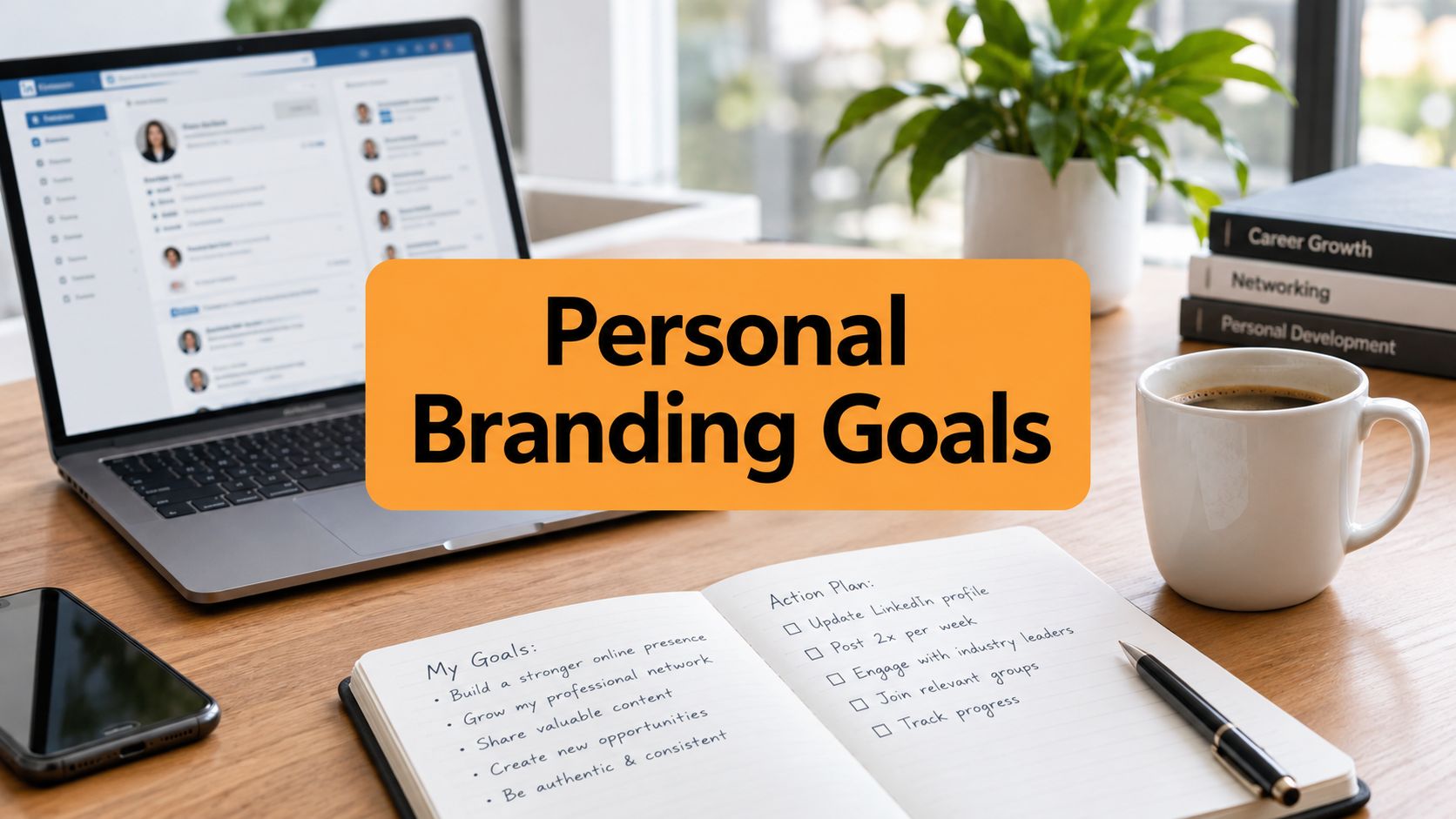
- Pick Your Core Three: Look back at the list and choose three post types that resonate most with you. Are you a natural teacher? Lean into educational content. Do you love analyzing trends? Make industry news commentary your go-to. Do you have a powerful personal story? Start there.
- Schedule a Small Commitment: Don't aim to post daily right away. Commit to posting twice a week for the next month, using your "Core Three" as your guide. This builds a consistent habit without causing burnout.
- Track What Works: Pay attention to the engagement. Which posts spark the most comments? Which ones get the most shares? This isn't about chasing vanity metrics; it's about understanding what your audience finds most valuable. Use that feedback to refine your approach for the following month.
Beyond a Single Platform
Remember, your LinkedIn presence is a powerful component of a much larger digital ecosystem. The stories you tell and the community you build on LinkedIn can amplify your efforts elsewhere. To truly maximize your LinkedIn efforts, consider how they fit into your broader digital presence by exploring what goes into building a winning social media marketing strategy. Integrating your approach ensures every piece of content works together, building a cohesive and powerful brand across all channels.
Ultimately, figuring out what to post on LinkedIn is an ongoing experiment. The perfect content strategy isn't something you find; it's something you build, one post at a time. The real magic happens when you stop overthinking and start sharing. Your voice has value, your experiences are unique, and your network is waiting to hear from you. So go ahead, pick your first post, and hit "publish."
Feeling inspired but short on time? RedactAI is your personal AI content partner, designed to analyze your unique voice and generate high-impact LinkedIn post ideas in minutes. Stop staring at a blank screen and let us help you build a powerful, consistent presence. Try RedactAI today and transform your content creation process.