When we talk about personal branding on LinkedIn, what we're really talking about is taking control of your professional story. It's about intentionally showing people who you are, what you’re great at, and what you stand for. Your profile stops being a dusty old resume and becomes a living, breathing showcase of your value.
It's how you turn passive connections into real opportunities.
Your LinkedIn Profile Is Your Brand's Foundation
Before you even think about posting content, your profile has to be rock-solid. It’s your digital handshake, the first thing a recruiter, potential client, or new connection sees. Think of it as your personal landing page. If it’s weak or incomplete, even the most brilliant content you share will lose its punch.
Your profile is much more than a timeline of your work history. It’s a strategic asset. Every piece of it—from your banner photo down to the skills you list—should work together to tell a clear, compelling story about who you are professionally.

Crafting A Compelling Narrative
The best LinkedIn profiles I’ve seen all have one thing in common: they tell a great story. They don’t just list jobs and responsibilities; they connect the dots for the reader. This story really comes to life in your headline and your "About" section—this is your most valuable real estate.
- Your Headline: This is so much more than your job title. It’s your elevator pitch, squeezed into 220 characters. Ditch "Marketing Manager at Company X" and try something that sells your value, like "I Help B2B SaaS Companies Grow with Data-Driven Content | SEO & Demand Gen Expert." See the difference?
- Your 'About' Section: This is where you bring your career journey to life. Tell people why you do what you do. Back it up with a few key achievements (use numbers!) and wrap it up with a clear call to action. Tell them what you want them to do next, whether it's connecting with you or checking out your portfolio.
A killer profile doesn't just get you views; it starts conversations. It basically pre-sells you, making it clear what you bring to the table before anyone even has to ask.
Showcasing Your Best Work
I’m always surprised by how many people leave the "Featured" section completely blank. This is your chance to show, not just tell. It’s a mini-portfolio right on your profile!
Don't let it go to waste. You can feature things like:
- Links to articles or blog posts you've published
- Client case studies that show tangible results
- The slide deck from a presentation you knocked out of the park
- A short video of you speaking at an industry event
To make sure your profile is firing on all cylinders, run through this quick checklist. It covers the essentials that I always check first.
LinkedIn Profile Optimization Checklist
This quick checklist helps you ensure the most critical elements of your LinkedIn profile are optimized for your personal brand.
| Profile Element | Optimization Goal | Key Action |
|---|---|---|
| Profile Photo | Look professional and approachable. | Use a high-quality headshot where you're smiling and making eye contact. |
| Banner Image | Communicate your brand visually. | Create a custom banner that reflects your industry, value, or a call-to-action. |
| Headline | Grab attention and state your value. | Go beyond your job title. Use keywords to explain who you help and how. |
| About Section | Tell your professional story. | Write in the first person, highlight key results, and include a clear call-to-action. |
| Featured Section | Provide proof of your expertise. | Add links to your best work, like articles, case studies, or presentations. |
| Experience | Detail your impact, not just duties. | Use 2-3 bullet points per role focusing on quantifiable achievements. |
| Skills | Showcase your core competencies. | Add at least 5 relevant skills and get endorsements from colleagues. |
Getting these basics right is non-negotiable. It signals to the LinkedIn algorithm—and to people—that you're an active and serious professional.
The data backs this up, too. Profiles with a current position listed get up to five times more connection requests. And if you have five or more skills listed, you're looking at a boost in discoverability of over 30 times. These aren't small numbers; they show just how much a complete profile matters. For a deeper dive, our complete guide on how to optimize your LinkedIn profile has even more tips.
Finding Your Authentic Brand Voice
Building a killer personal brand on LinkedIn all starts with one deceptively simple question: What do you want to be known for?
Without a crystal-clear answer, your profile and posts can feel random and disconnected. The goal isn't to invent some slick online persona; it's about figuring out how to showcase the genuine expertise you already have.
Your brand voice is simply how you share your knowledge and point of view. It’s that sweet spot where your professional skills, your actual passions, and what your audience really needs all come together. Nail that, and your brand will feel authentic and draw in the right people.

Pinpoint Your Core Expertise
Before you worry about your "voice," you have to get laser-focused on your value. Most of us are good at a lot of things, but a strong personal brand needs a sharp focal point.
Grab a notepad and get honest with yourself. Ask these questions to drill down:
- What problems do I solve best? Think about what people always come to you for. Are you the one who can make sense of a messy spreadsheet or the person who can craft a sales pitch that actually works?
- What topics could I talk about for hours? Your genuine excitement is infectious. If you geek out over sustainable supply chains or the latest AI marketing tools, that passion will shine through.
- Where do I have the receipts? You need proof. This isn't just about listing your job duties; it’s about the measurable impact you’ve had. Think numbers, projects, and wins.
For example, a software developer could go from the generic "Full-Stack Developer" to something far more compelling, like the go-to expert for "Helping non-technical founders build scalable MVPs." See the difference? That kind of specificity is magnetic.
Define Your Unique Perspective and Tone
Okay, you know your what. Now it's time to decide on the how.
Two people can be experts in the exact same field but have completely different brand voices. One might be the data-driven analyst who loves charts and trends, while the other is a witty storyteller who shares cautionary tales.
There's no "right" way to sound, but you absolutely must be consistent. Pick a tone that feels natural. If you try to fake it, you'll burn out fast.
The best personal brands feel like a real person you could grab a coffee with. Authenticity isn’t just a buzzword; it’s how you build trust. In a sea of bland, corporate-speak, a real human voice cuts through the noise.
Think about which of these styles feels most like you:
- The Teacher: You love breaking down complex ideas into simple, actionable advice.
- The Analyst: You're all about the data, spotting trends and offering sharp insights.
- The Storyteller: You use personal anecdotes and real-world examples to make your points stick.
- The Motivator: You're here to inspire action and share uplifting success stories.
Whatever you choose, it needs to show up everywhere, especially in your "About" section. For some fantastic inspiration, check out these powerful LinkedIn about section examples that nail their unique voices.
Understand Your Target Audience
Finally, your brand voice has to connect with the people you actually want to reach. Who are they? What are their biggest headaches at work? What kind of post would make them stop scrolling and think, "Wow, I needed this today"?
You’re not creating content for everyone on LinkedIn. You're talking directly to your ideal client, that dream-job hiring manager, or your industry peers.
When you truly understand what they need, you can frame your expertise in a way that gives them immediate value. This shift turns your LinkedIn from a simple resume site into a powerful tool for building real, meaningful connections.
Creating Content That Builds Real Authority
Your LinkedIn profile is the foundation, but your content is where the real work begins. This is how you show up day after day, proving you know your stuff and solidifying your reputation as a go-to expert in your field.
Content for a strong personal brand on LinkedIn isn't about broadcasting your wins. It's about being generous with your knowledge—sharing what you know in a way that actually helps people, sparks new ideas, and builds real connections. The goal is to become the person they think of when your area of expertise comes up.
The Give-First Mentality
Want the fast track to building authority? Stop thinking about what you can get from your content and start focusing on what you can give. This simple shift from selling to serving changes everything.
Every post is a chance to solve a small problem, offer a fresh angle on a common challenge, or share a hard-won lesson. This approach builds trust like nothing else, positioning you as a helpful guide rather than just another person trying to make a sale.
The best content on LinkedIn doesn't just make you look smart; it makes your audience feel smarter. When you consistently deliver value, people stop just seeing your posts—they start actively looking for them.
From Ideas to Impactful Posts
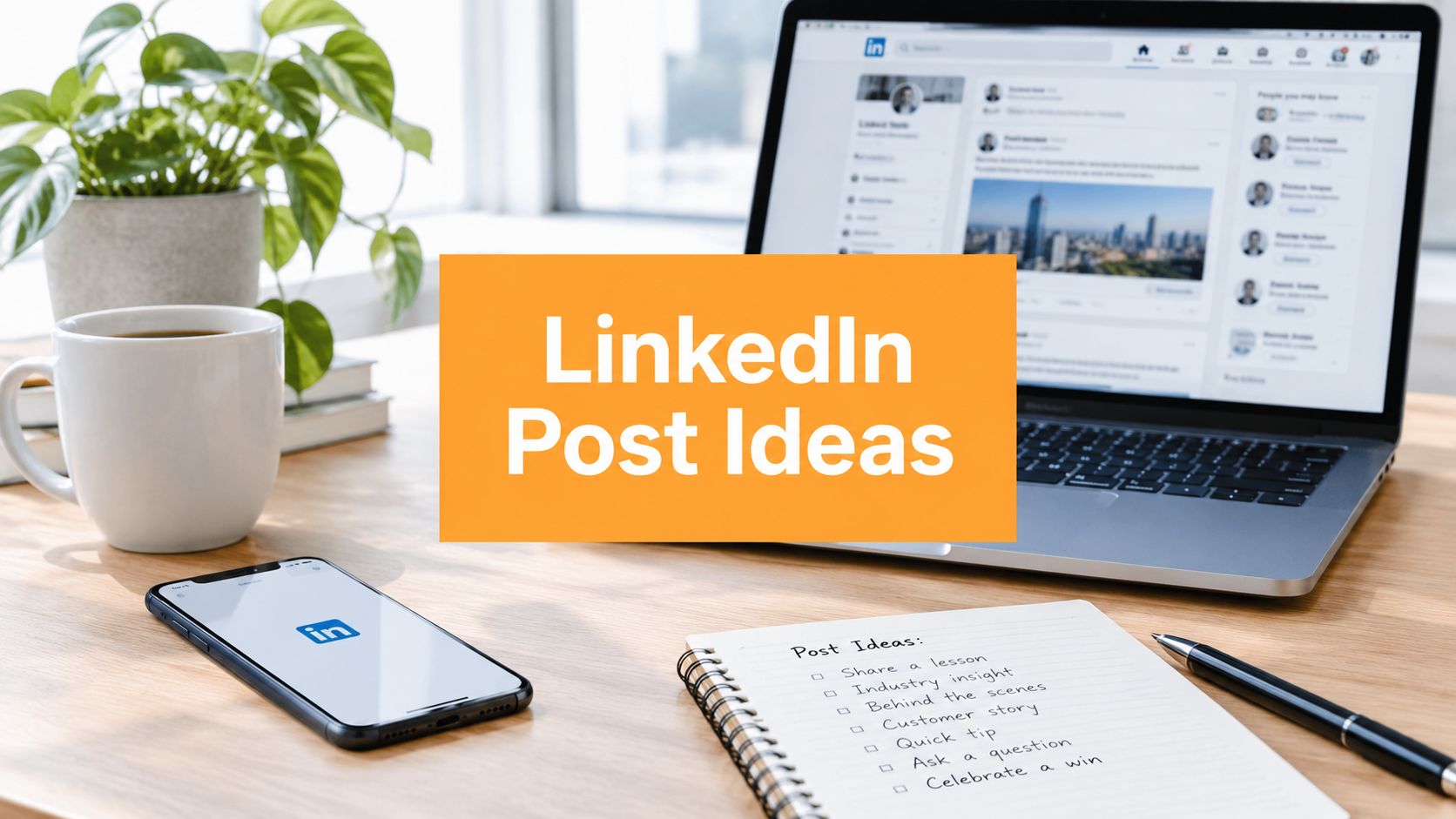
We've all been there: staring at a blank "Create a post" box with no idea what to say. The secret isn't some magical bolt of inspiration. It’s having a reliable system to pull ideas from your everyday work.
Try this simple brainstorming method:
- Document Your Day: What was the breakthrough moment in a client meeting this week? What tiny process change saved your team a massive headache? Your real-world experiences are content gold.
- Answer the FAQs: Think about the questions you get asked over and over by clients and colleagues. Each one is a post just waiting to be written, addressing a genuine need.
- Share Your POV: What’s a common belief in your industry that you just don't buy? A unique perspective, even a slightly controversial one, is what makes people remember you.
Got an idea? Great. Now, you need to package it so people will actually stop scrolling and read. I love the simple "Hook, Point, Takeaway" model for this:
- The Hook: Your first sentence is everything. Grab their attention with a relatable problem, a surprising stat, or a bold question.
- The Point: Break down your main idea using short paragraphs and bullet points. This is where you tell a quick story or share a few actionable tips.
- The Takeaway: Wrap it up with a clear conclusion or a question that invites others to chime in.
This structure prevents your valuable insights from getting buried in a dense block of text.
Diversifying Your Content for Maximum Reach
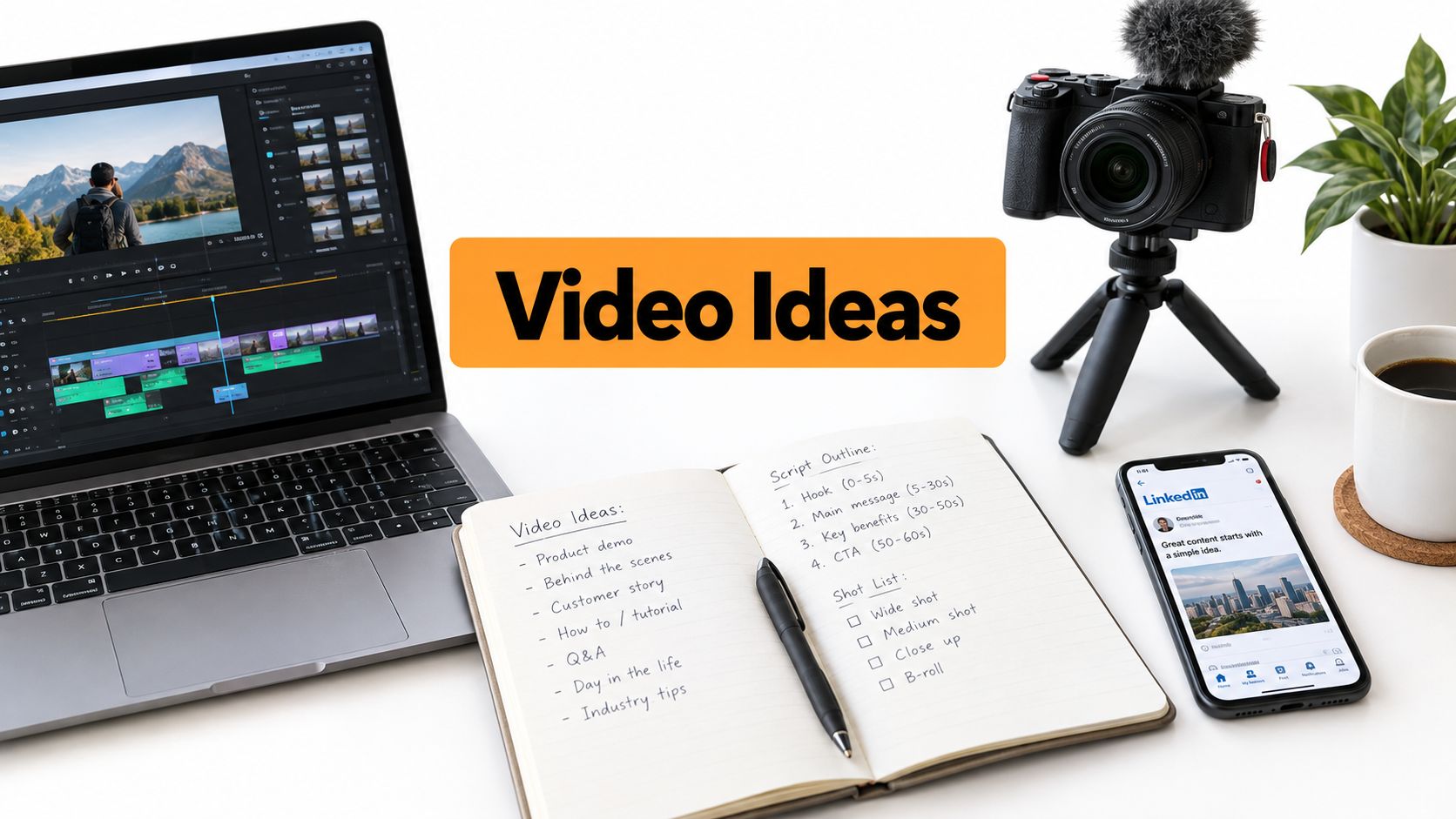
Posting only one type of content is like trying to build a house with only a hammer. To create a strong personal brand, you need a mix of formats that appeal to different people and play well with the LinkedIn algorithm. Authority comes from proving your expertise in multiple ways. Think about a balanced content diet that includes short-form videos (aim for 30–60 seconds), carousels that visually break down a process, snappy text posts around 120–220 words, and longer, more thoughtful pieces like articles. For more on this strategy, check out the 2025 personal branding playbook.
Mixing it up keeps your feed fresh and showcases your expertise from all angles.
Telling Stories That Stick
Facts and figures are fine, but stories are what truly connect with people. On LinkedIn, stories sell your credibility. Instead of just stating a business principle, wrap it in a real-life example.
For instance, don’t just write, "Communication is vital for project success." That's a snooze-fest.
Try this instead: "We were three weeks from a huge product launch, and our dev and marketing teams were barely speaking. Here’s the one tiny tweak we made to our daily stand-ups that got everyone back on track..."
See the difference? The story is memorable, relatable, and proves your point far more powerfully than a generic statement ever could. This kind of narrative is a signature move for leaders in any space, and you can see it done well in these thought leadership content examples.
By consistently creating content that is valuable, well-structured, and rich with stories, you build a reputation for being not just an expert, but a helpful and approachable one. That’s the real secret to a powerful personal brand on LinkedIn.
Developing a Sustainable Content Rhythm
Great content is the engine of your personal brand on LinkedIn, but consistency is the fuel. It's the single biggest roadblock I see professionals hit. They have the expertise, the ideas, and the drive, but the pressure to create something brilliant every single day leads straight to burnout. They go hard for a week, then vanish.
The secret isn't about being intense; it's about finding your rhythm. Building a sustainable content schedule means picking a pace you can actually maintain without losing your mind or sacrificing quality. This is how you build real momentum and stay on your audience's radar.

Finding Your Posting Frequency
So, the million-dollar question: how often should you actually post? The data is pretty clear on this. An overwhelming 91% of top creators post at least once every three days, and 72% post at least once every two days. That tells you just how critical it is to show up for your network on a regular basis. If you want to dive deeper into what works, check out these personal branding statistics from LinkedIn.
But hold on. This doesn't mean you need to be a daily content machine from day one.
The best posting schedule is the one you can actually stick to. Posting five times in one week and then going silent for a month kills your momentum. It's far better to post twice a week, every single week, than to be a sporadic superstar.
Start with a goal that feels doable, maybe two or three really solid posts per week. Once that feels like a natural habit, you can think about ramping it up. The goal is to build a routine, not a chore you dread.
Choosing the Right Content Format
Once you've got a handle on your "when," the next question is "what." LinkedIn gives you a whole menu of content formats, and the smartest people on the platform use a mix to keep their audience hooked and keep the algorithm happy.
Different formats do different jobs. A simple text post can land a powerful punch in seconds, while a carousel can walk someone through a complicated idea step-by-step. Let’s break down the most popular options.
Text-Only Posts: Perfect for dropping a strong opinion, sharing a short story, or asking a question that gets people thinking. They're quick to create and rely on sharp writing to stop the scroll. Pro-tip: use plenty of white space to make them easy on the eyes.
Image Posts: Visuals are your best friend. A photo from an event, a branded graphic with a killer quote, or a screenshot that proves your point can all work wonders. In fact, images account for a whopping 59% of all posts from top creators, which tells you just how effective they are.
Carousels (PDF Documents): These are absolute gold for teaching something. You can create mini-guides, share a slide deck from a presentation, or list out a handful of valuable tips. They keep people on your post longer, which LinkedIn's algorithm loves.
Video: If you want to build a real connection, video is the way to go. A short, casual video filmed on your phone sharing a quick insight or a behind-the-scenes moment can build trust faster than almost anything else.
Polls: A ridiculously easy way to spark conversation and get a read on your audience. Use them to check the pulse on an industry topic or just to understand what your followers are struggling with.
Building a Repeatable System
The only way to stay consistent long-term is to have a system. You can't just wait around for inspiration to strike—that's a recipe for disaster. What you need is a simple, repeatable workflow that fits into your actual life.
Try thinking about it this way:
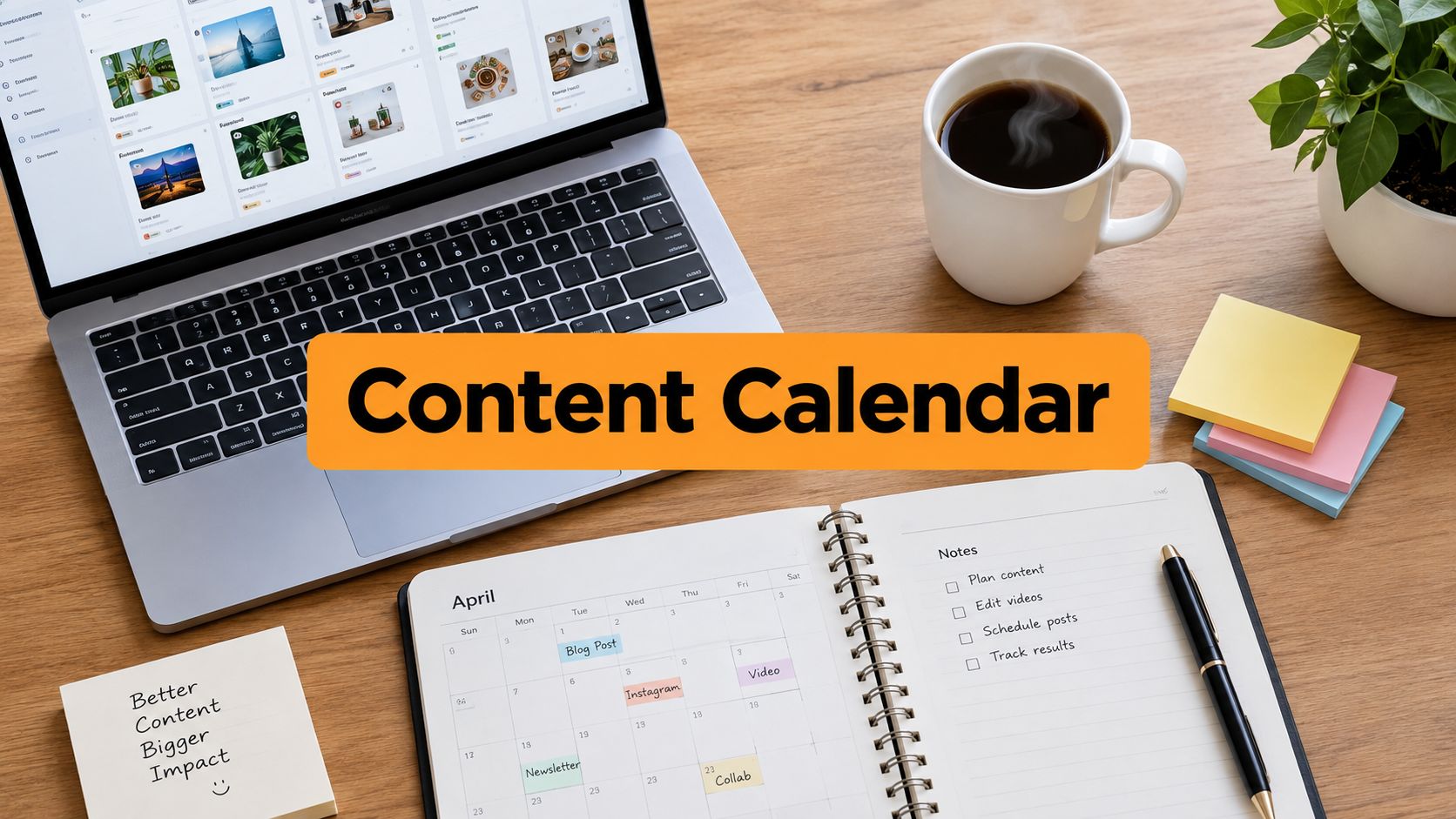
- Batch Your Ideas: Block off an hour every couple of weeks just for brainstorming. What questions are your clients always asking? What’s happening in your industry? What have you learned recently? Dump all these ideas into a single document.
- Create in Blocks: Instead of trying to squeeze in writing between meetings, set aside a dedicated time block each week to create your content. Maybe it’s two hours on a Friday afternoon to get everything ready for the week ahead.
- Schedule Your Posts: Use a tool like Buffer or even LinkedIn’s built-in scheduler to get your posts queued up. This takes the daily pressure off and ensures you never miss a beat, even when you're slammed with other work.
When you systemize the process, creating content stops feeling like a frantic, last-minute scramble and becomes a manageable part of your professional routine. This is the practical foundation for winning at personal branding on LinkedIn.
Don't Just Post and Ghost: Grow Your Network Through Real Engagement
Look, creating killer content is a huge piece of the puzzle, but it's only half the battle. Your personal brand on LinkedIn isn't built by shouting into the void; it's forged in the back-and-forth of real, human conversation.
This is where so many professionals drop the ball. They post something great and then... crickets. They just disappear, missing out on the most powerful part of the platform.
Genuine engagement is what turns your content from a monologue into a dialogue. It’s how you become an active, valued member of a community, not just another talking head. When you engage authentically, you make your personal brand more visible and prove your expertise in a way that feels natural, not salesy.
Master the Art of the Thoughtful Comment
The easiest and most effective way to jump in is by leaving thoughtful comments on other people's posts. I'm not talking about a generic "Great post!" or a simple thumbs-up. Let's be honest, those are basically invisible. They add zero value and do nothing for your brand.
A comment that actually gets noticed does one of three things:
- It adds a fresh perspective to the conversation.
- It asks an insightful, clarifying question.
- It shares a relevant personal experience or a useful piece of data.
Think of it this way: a great comment is like a mini-post. It should be valuable enough that someone could read just your comment and learn something new. When you consistently show up in the comments with real insights, people start to notice. It's a fantastic way to introduce your expertise to a brand-new audience without ever having to write a post of your own.
The goal of engagement isn't just to be seen—it's to be remembered. When you leave a comment that makes someone stop and think, you're not just getting a notification. You're building a reputation.
Spark Conversations, Don't Just Join Them
Once you get comfortable adding to existing discussions, it's time to start initiating your own. You could try posting in relevant LinkedIn Groups, but don't overlook the power of directly mentioning other professionals in your own content.
Tagging someone isn't about chasing clout. It’s about genuinely wanting to bring their voice into a conversation where it adds value.
For instance, if you're writing about a new marketing trend and you know an expert who just published a great article on it, tag them! You could say something like, "Building on the excellent points @JaneDoe made in her recent piece, here's how I'm seeing this trend play out with my clients..."
This move accomplishes two things at once: it shows you’re plugged into your industry, and it respectfully invites an influential voice into your space.
Send Connection Requests That People Actually Accept
The final piece of the engagement puzzle is growing your network with intention. Firing off generic connection requests is a surefire way to get ignored. The default "I'd like to add you to my professional network" message is a massive missed opportunity.
Your connection request needs to immediately answer one simple question for the person on the other end: "Why me?"
Always, always add a personalized note. Reference something specific to show you've done your homework:
- "Hi Mark, I really enjoyed your post on the future of AI in logistics. Your point about last-mile delivery was spot on. Would love to connect and follow your work."
- "Hi Sarah, I saw your comment on John Smith's post about company culture, and it really resonated. We seem to be thinking along the same lines. I'd love to connect."
This tiny bit of effort shows you aren’t just trying to collect contacts. To make sure your efforts are really paying off, you might want to explore some different strategies to boost LinkedIn engagement that can make a huge difference.
At the end of the day, every interaction is a chance to build a real relationship. That's the foundation of a strong network and an unforgettable personal brand.
Got Questions About LinkedIn Branding? Let's Get Them Answered
Even with the best game plan, diving into personal branding on LinkedIn can stir up a few questions. It's totally normal to wonder how long this all takes, what mistakes to sidestep, and how to know if any of it is actually working.
Let's dig into the common questions I hear all the time from professionals who are ready to get serious about their LinkedIn presence.

This isn't about theory; it's about giving you clear, straightforward answers so you can move forward with confidence.
How Long Does It Really Take to Build a Brand on LinkedIn?
Look, there's no magic overnight formula here. But with consistent effort, you can absolutely start to see the needle move within 3-6 months. I'm talking about a noticeable uptick in engagement and more people checking out your profile. That "consistent effort" usually means posting 2-3 times a week and jumping into conversations daily.
Now, building a powerful, recognized brand—the kind that brings opportunities to you—is a longer play. Think more in the range of 12-18 months. It’s a marathon, not a sprint.
The real secret is creating a sustainable routine. Don't burn yourself out trying to go viral. Just focus on showing up consistently with valuable insights. The compounding effect is real, and it’s how powerhouse brands are built over time.
What are the Big Mistakes I Should Avoid?
The number one mistake? Treating your LinkedIn profile like a dusty, forgotten resume. It’s not a static document you update once a year; it's a living, breathing platform for connection and conversation.
Another classic blunder is the constant "hard sell." People scroll right past posts that are just thinly veiled ads. They’re here to learn and connect, not to be sold to 24/7.
Here are a few other pitfalls to watch out for:
- Going MIA: If you post like a rockstar for a week and then vanish for a month, you're killing your momentum. Consistency is your best friend.
- Shouting into the Void: Don't just post and ghost. A brand is built in the comments section. Spend as much time thoughtfully engaging with others as you do writing your own content.
- Neglecting Your Profile: Amazing content will make people curious, but a weak or incomplete profile will make them click away. It's your digital handshake—make it a firm one.
Should I Use AI to Help with My LinkedIn Content?
AI can be an incredible co-pilot, but you should always stay in the driver's seat. Your personal brand is built on your voice, your stories, and your unique perspective. An AI simply can't fake that.
So, how can you use it smartly?
- Sparking Ideas: Stuck for topics? Ask an AI tool to brainstorm ideas related to your niche. It’s a great way to get past writer's block.
- Outlining Drafts: Use it to get a basic structure on the page. Then, it's your job to flesh it out with real substance.
- Polishing Your Writing: It’s a fantastic proofreader for catching typos and cleaning up grammar.
Always, always, always heavily edit what an AI gives you. Inject your personality, weave in personal anecdotes, and make sure it sounds like you. The best personal branding on LinkedIn feels genuinely human, and leaning too heavily on AI is the fastest way to sound generic.
How Do I Know if Any of This is Actually Working?
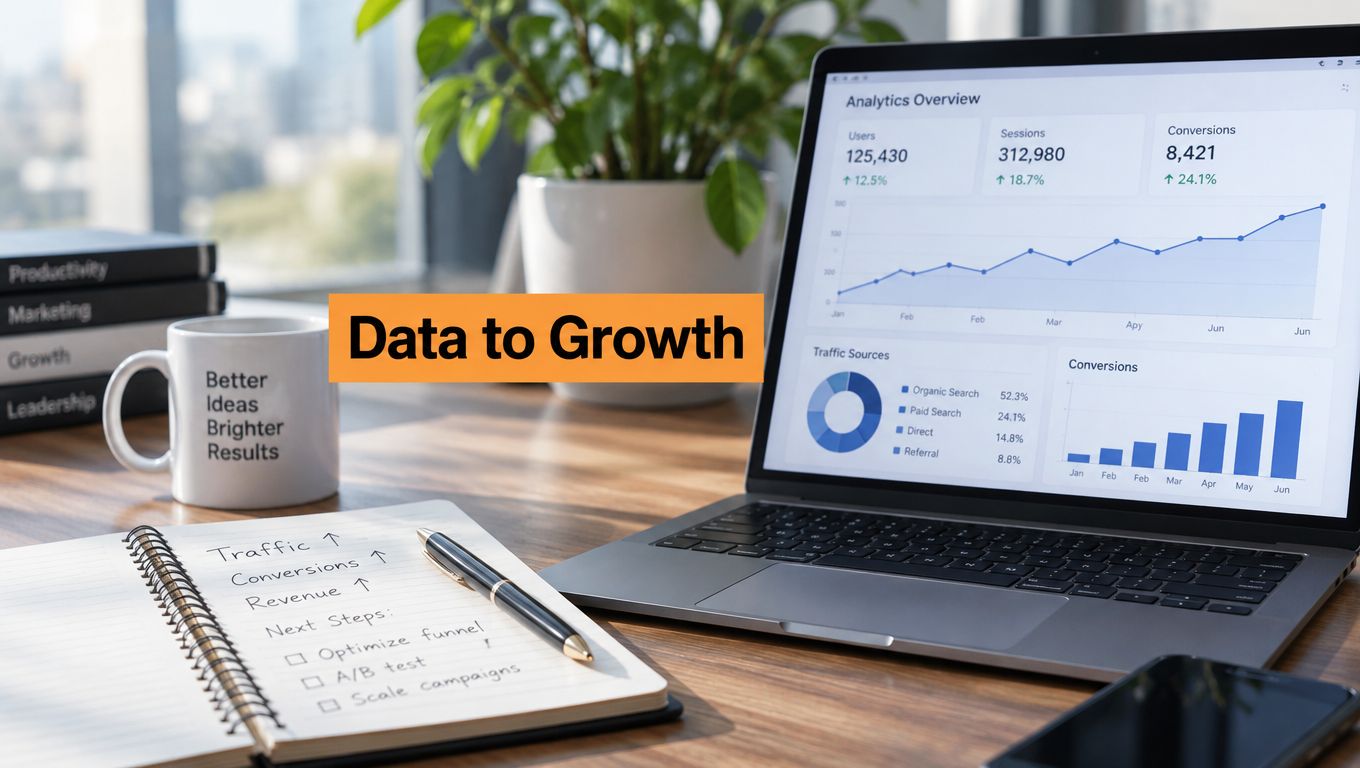
It's easy to get caught up in vanity metrics like likes and follower counts. While they're nice to see, the real success is measured by the quality of your engagement and the opportunities it creates.
Here’s what you should actually be tracking:
- Quality of Comments: Are people leaving thoughtful comments and asking questions, or are you just getting a lot of "Great post!" replies? Real conversations are a sign of impact.
- Profile Views: Is your content compelling enough to make people click through to your profile? A steady increase here is a fantastic sign.
- Inbound Connection Requests: Are you getting personalized requests from people who are actually in your target audience? This means you're reaching the right people.
- Direct Messages: This is the gold standard. Are potential clients, recruiters, or partners sliding into your DMs because of something you posted? That's your brand doing the heavy lifting for you.
When you start seeing these things happen, you'll know your efforts are paying off in a meaningful way.
Ready to stop staring at a blank screen and start building your brand? RedactAI is designed to help you create high-impact LinkedIn content in minutes, all while keeping your authentic voice. Start for free and see how easy it can be.