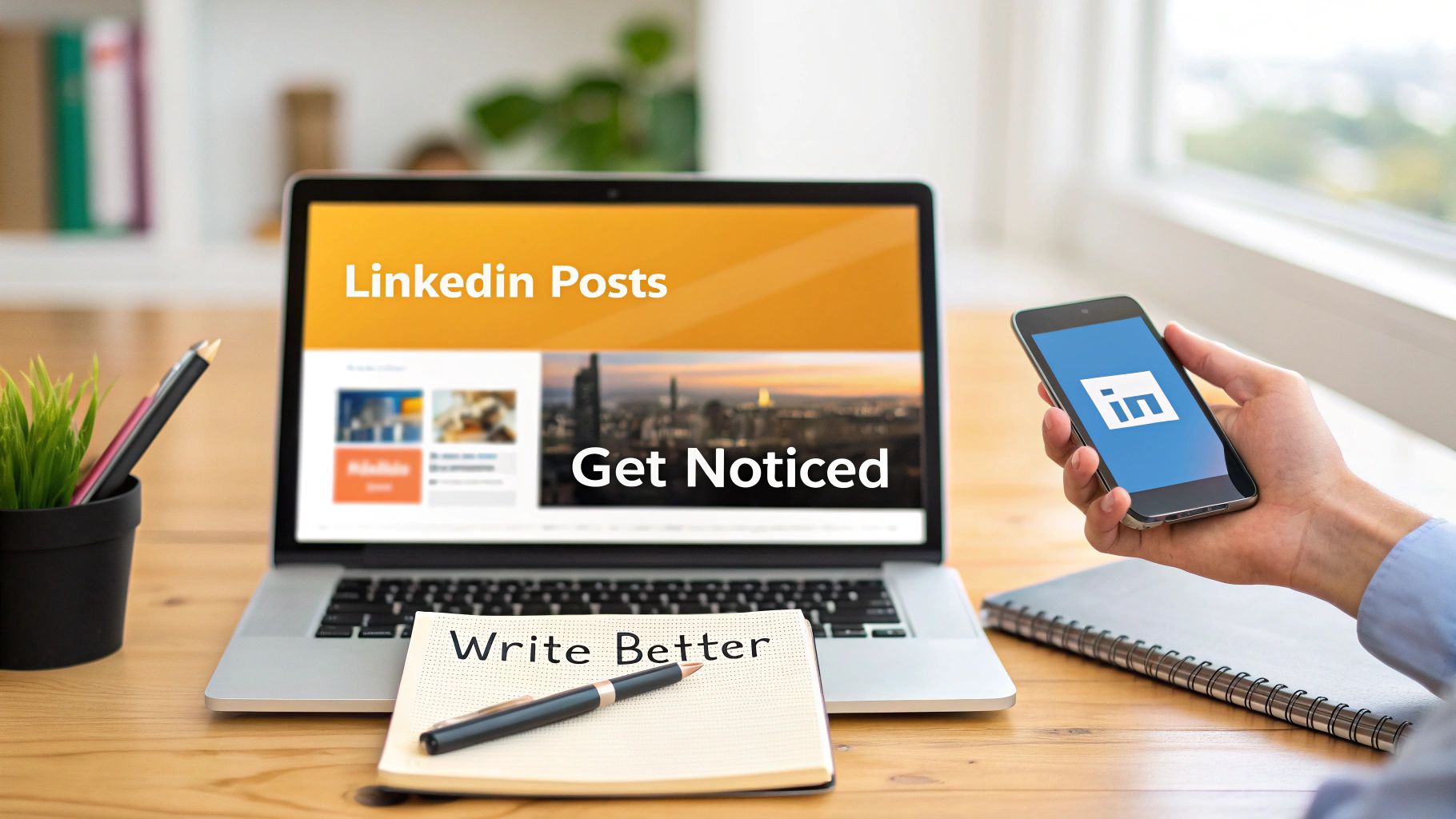
A LinkedIn Company Page is your brand's home base on the world's biggest professional network. Think of it as your digital headquarters—a dedicated space where you can build credibility, reel in top talent, and connect with customers and partners.
Why Your LinkedIn Company Page Is a Business Superpower
Let’s be honest. Managing a LinkedIn Company Page often gets pushed to the bottom of the to-do list. Too many businesses set one up, maybe upload a logo, and then let it collect digital dust. But what if that neglected page could be your most powerful sales tool and talent magnet?
This isn't just about "having a presence." It's about building a living, breathing asset for your brand. A well-tended page is so much more than a static "About Us" section; it's a dynamic hub for telling your story, building a community, and generating real leads. It gives you a unique chance to shape your brand’s narrative for an audience of over one billion members, including 67 million decision-makers.
More Than a Digital Brochure
Treating your page like an online brochure is a huge missed opportunity. Its real power comes from actively driving your business goals. Companies with complete and active profiles don't just look more put-together; they get tangible results. We're talking five times more page views and follower growth that is seven times faster than pages that are incomplete or left dormant.
A strategic approach unlocks three key advantages:
- Builds Instant Credibility: An active, polished page tells prospects, partners, and potential hires that your business is legitimate and engaged. It builds trust before you ever have a conversation.
- Attracts the Right Talent: Top candidates are investigators. They will absolutely vet your company on LinkedIn to get a feel for your culture, your values, and what it’s actually like to work there. Your page is your first, and arguably most important, recruiting tool.
- Drives Sales and Leads: Decision-makers are on LinkedIn, and they use it to research solutions. When you share valuable insights and customer stories, you position your brand as a helpful expert, warming up a pipeline of leads who already see your value.
Fueling Growth for Businesses of All Sizes
You don't need a massive marketing budget to make a real impact here. Unlike other platforms that can feel like a shouting match, LinkedIn rewards authenticity and value over flashy, expensive production. This really levels the playing field, giving small businesses and startups a fair shot at building a powerful presence right alongside industry giants.
By consistently sharing your expertise and showcasing your company culture, you turn your LinkedIn Company Page from a passive profile into an active engine for growth. It becomes the center of your professional brand identity.
The key is a simple shift in mindset. Stop seeing your page as an obligation and start treating it as the business superpower it is. With a clear strategy, you can turn a simple page into a thriving community that directly contributes to your bottom line.
Building Your Page From the Ground Up
Alright, let's get your brand’s home base on LinkedIn set up. Think of your Company Page as your digital storefront—it's often the first impression you'll make on potential clients, partners, and new hires. Getting the foundation right from the start is crucial, so let's dive in.
You'll kick things off right from your personal LinkedIn profile. Just head to the "For Business" menu in the top right, and you'll see the option to create a Company Page. LinkedIn will ask you to choose a page type, whether you're a small business with fewer than 200 employees, a larger enterprise, or even a school. Pick the one that fits.
Laying the Foundation
Once you've picked your page type, you’ll land on a form asking for your core company details. Don't just rush through these initial fields. They're how LinkedIn—and your future followers—will find and understand your business.
- Company Name: Your official, registered business name.
- LinkedIn Public URL: This is your custom vanity URL (like
linkedin.com/company/your-brand-name). Make it clean and memorable. My advice? Keep it consistent with your handles on other social platforms. - Website: Your main company website.
- Industry, Company Size, and Company Type: These are more than just labels. They help LinkedIn categorize your page and show it to the right people in relevant searches.
After that, you just need to check the box confirming you have the authority to create the page. Click create, and poof! Your page exists. But right now, it’s just an empty shell. The real work begins now.
Crafting Your Visual Identity
First impressions are everything, and on LinkedIn, that starts with your visuals. A blurry logo or a generic banner is a major red flag for visitors.
Your profile logo needs to be your official company logo, sized correctly so it looks sharp everywhere. The banner image (that big space at the top, 1128 x 191 pixels) is your billboard. Don't waste it. Use it to show your product in action, feature a team photo that captures your culture, or create a simple graphic that spells out what you do.
Getting these basics right is the first step in turning a simple profile into a serious business tool. It's how you start building credibility, attracting great talent, and ultimately, driving sales.

As you can see, a well-built page isn't just about looking good; it's a strategic asset that directly fuels your growth.
Telling Your Brand Story
With your visuals locked in, it’s time to tell people who you are and why they should care.
Start with your tagline. This is the short sentence right under your company name. You have 120 characters to make an impact. Ditch the generic "Marketing Agency" and try something that communicates value, like "We Help B2B Tech Companies Build Unforgettable Brands."
Next up is the About section. You have 2,000 characters, so make them count. This isn't the place to just dump a list of your services. Instead, weave a narrative.
- Lead with your mission: What problem do you exist to solve?
- Show your value: What makes you the obvious choice over your competitors?
- Weave in keywords: Think about what terms your ideal customer would search for and sprinkle them in naturally.
- End with a clear next step: Tell visitors what you want them to do next, like "Follow our page for weekly insights" or "Visit our website to see our work."
A complete profile isn’t just for show. LinkedIn itself has stated that pages with complete information get 30% more weekly views. Filling out every single field is the easiest win you can get.
Of course, building the page is just the beginning. The real magic happens when you start growing your audience. A great resource for that is this 90-day case study on how to grow your LinkedIn Page from a small following into a thriving community.
Finally, don't sweat the small stuff—actually, do. Add your location, pick up to three hashtags that define your niche, and set up your custom button. This button can point visitors to "Visit website," "Contact us," or "Learn more," giving them a clear and easy call to action. With these steps done, your LinkedIn Company Page is officially open for business and ready to make an impact.
The Complete Optimization Checklist for Maximum Visibility
So you've created your LinkedIn Company Page. That's the starting line. But the real race for eyeballs and engagement? That starts now, with optimization.
Think of it this way: an incomplete page is like a closed sign on your digital storefront. But a fully polished, optimized page is a powerful magnet for your ideal clients, partners, and future star employees.
This checklist is all about turning your page from a basic placeholder into a marketing workhorse. These aren't just cosmetic changes; they’re strategic moves to make sure you get found.
Polish Your Core Information
First things first, let's nail the fundamentals. These are the elements everyone sees right away, and they’re what LinkedIn’s search algorithm pays close attention to.
- Banner Image: This is your digital billboard. Use it wisely. Slap up a great team photo, show your product in action, or design a simple graphic with your company tagline. It’s your first, best chance to communicate your value.
- Tagline: You get 120 characters right under your page name. Don't waste it by just saying "IT Services." Get specific. Try something like, "Stress-Free IT Support for Growing Businesses." See the difference?
- About Section: You have 2,000 characters to tell your story. Lead with your mission, but then quickly pivot to the problems you solve for customers. Sprinkle in the keywords your ideal clients are actually searching for.
Getting this right has a massive payoff. Companies with complete information see a huge 30% more weekly views. While a tiny fraction of the 69 million company pages actually post every week, the ones that do get a 2x lift in engagement and grow their audience 5.6x faster. Those numbers tell a story: a complete profile plus consistent activity is the winning formula.
Activate Powerful Engagement Features
Once your foundation is solid, it's time to light up LinkedIn's built-in tools to grab attention and get people to act. So many businesses sleep on these features, which makes it easy for you to stand out.
Your custom call-to-action (CTA) button is some of the most valuable real estate on your page. It sits right at the top, telling visitors exactly what to do next. You can set it to "Visit website," "Contact us," "Learn more," "Register," or "Sign up." Just make sure it aligns with your main goal right now—whether that's driving website traffic or getting sign-ups for your next webinar.
Next up, check out Product Pages. This is where you can showcase your specific services or products with their own descriptions, images, and—most importantly—social proof like customer reviews. It basically turns your page into a mini-marketplace.
Pro Tip: Find your best-performing post or a major announcement and pin it to the top of your feed. This guarantees every single new visitor sees your most valuable content first. It's a simple way to make a strong first impression, fast.
Expand Your Reach and Build Community
Optimization isn't just about what's on your page; it's about how you connect with everyone else on LinkedIn.
- Hashtags: You can tag your page with up to three core hashtags. Think of these as topic categories. They help LinkedIn understand what you're about and show your page to people interested in those subjects.
- Employee Integration: This is a big one. Get your whole team to add your company to their personal profiles. When they share or comment on your company's posts, it broadcasts your message to their entire network. It’s authentic, powerful, and creates a ripple effect you can’t pay for.
- Showcase Pages: Do you have different brands or specific initiatives? Showcase Pages are your friend. They act as sub-pages that let you create tailored content for a niche audience. A big software company, for example, might have a Showcase Page dedicated entirely to its enterprise security solutions.
When you start using these features, your page transforms from a static profile into an interactive hub. You won't just see more views; you’ll see an uptick in the engagement that really matters, like clicks and leads. After all, more views mean more visibility, which is why you're here. If you’re curious about tracking this, check out our deep dive into what LinkedIn impressions mean for your business. Think of this whole process as your road map to getting found by the right people.
Crafting a Content Strategy That Actually Works

Okay, so your page is built out and looks fantastic. But a great-looking page without any content is like a beautiful storefront with nothing on the shelves. Now we get to the heart of it: building a content strategy that actually starts conversations and builds your community.
Letting your page go silent is the digital equivalent of letting dust gather in your shop window. The data is pretty clear on this. Active pages get five times more views, seven times the impressions, and a wild eleven times more clicks per follower than pages that just sit there. Even posting just once a week can double your engagement and help you grow followers seven times faster.
This doesn't mean you have to churn out content five times a day. It’s all about finding a rhythm that feels sustainable for your team while consistently delivering value.
Find Your Content Pillars
The secret to never staring at a blank screen and wondering, "What should I post today?" is to define your content pillars. Think of these as the 3-5 core topics your brand will own. They're your North Star, making sure every post is relevant and reinforces what you're all about.
Your pillars should live right at the intersection of what your audience genuinely cares about and where your business has real expertise.
To get your gears turning, here’s a breakdown of some effective content pillars you can adapt for your own strategy.
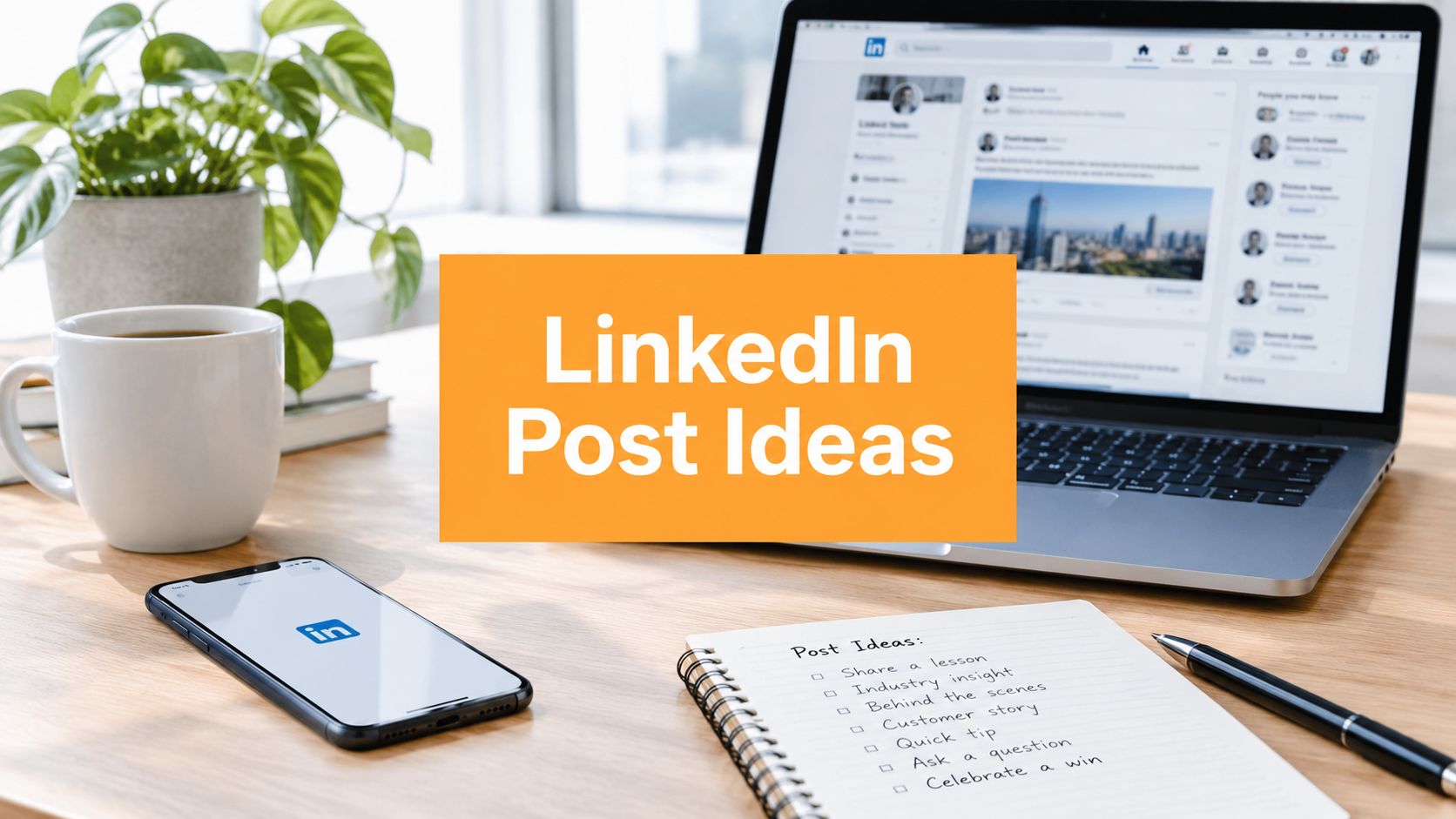
LinkedIn Company Page Content Pillar Ideas
| Content Pillar | Description | Post Example |
|---|---|---|
| Behind-the-Scenes | Humanize your brand by showing off your team, culture, and day-to-day work life. People connect with people, not just logos. | "Big welcome to our newest software engineer, Maria! She's diving right into Project Phoenix. Fun fact: she's a competitive rock climber on the weekends. So glad to have you, Maria! #TeamCulture #NewHire" |
| Industry Insights | Share your take on the latest news, trends, or data in your field. This positions you as an expert who's on top of their game. | "Seeing a lot of chatter about the new AI regulations. Here’s our two cents on how it will actually impact B2B marketing budgets in Q4. [Link to your blog post]" |
| Client Wins & Stories | Go beyond a dry case study. Tell the human story of how you solved a real problem for a client, focusing on the transformation. | "We were so thrilled to help Acme Corp. reduce their customer support tickets by 40%. It wasn't just about the tech; it was about freeing up their team to focus on bigger things. Here’s how we did it..." |
| Educational "How-To"s | Break down a complex process into simple, actionable steps. This provides immediate value and builds incredible trust with your audience. | "Struggling with lead attribution? Here are 3 simple steps you can take in Google Analytics today to get clearer data. 1. Set up goals... 2. Use UTMs... 3. Create custom reports..." |
Rotating through pillars like these is how you build a feed that’s varied, interesting, and keeps people coming back for more.
Nail Down Your Brand Voice
How you say something is just as important as what you say. Your brand voice is the personality your LinkedIn Company Page gives off. Are you witty and a bit informal? Or are you more authoritative and buttoned-up?
A classic mistake is defaulting to a stiff, corporate tone that sounds like it was written by a legal department. Professionals on LinkedIn want authenticity, not buzzwords. Your voice should sound like it’s coming from the actual humans running the business.
To figure out your voice, ask yourself: if my brand was a person at a networking event, how would they talk? Jot down a few keywords like "Helpful, expert, and approachable." This simple guide can keep every post consistent, which is key to building a memorable brand. For a deeper dive, our complete https://redactai.io/blog/linkedin-content-strategy has you covered.
Find Your Posting Rhythm
Alright, so how often do you actually need to post? While posting every day is a great goal, it's just not realistic for most businesses starting out. The real aim here is consistency, not just posting for the sake of it.
Start with a goal you know you can hit, like 2-3 high-quality posts per week. I’ve found this is the sweet spot for many companies. It keeps your page active enough to stay on people's radar without completely burning out your team.
Use a simple content calendar—a spreadsheet works just fine—to map out your posts a week or two ahead. This is how you avoid that last-minute panic and ensure your content is thoughtful and on-brand. If you're planning to write longer-form content, check out this guide on how to post an article on LinkedIn for maximum reach.
Create Content That Actually Sparks Engagement
Not all content types are created equal on LinkedIn. The algorithm—and the users—tend to reward posts that keep people on the platform and get them talking.
Here are a few formats that consistently do well:
- Text-only posts with personal stories: You’d be surprised how well a genuine story about a business challenge, a lesson learned, or a company milestone can perform.
- Simple graphics or carousels: Use a tool like Canva to create slick carousels that break down a complex idea into easy-to-digest slides.
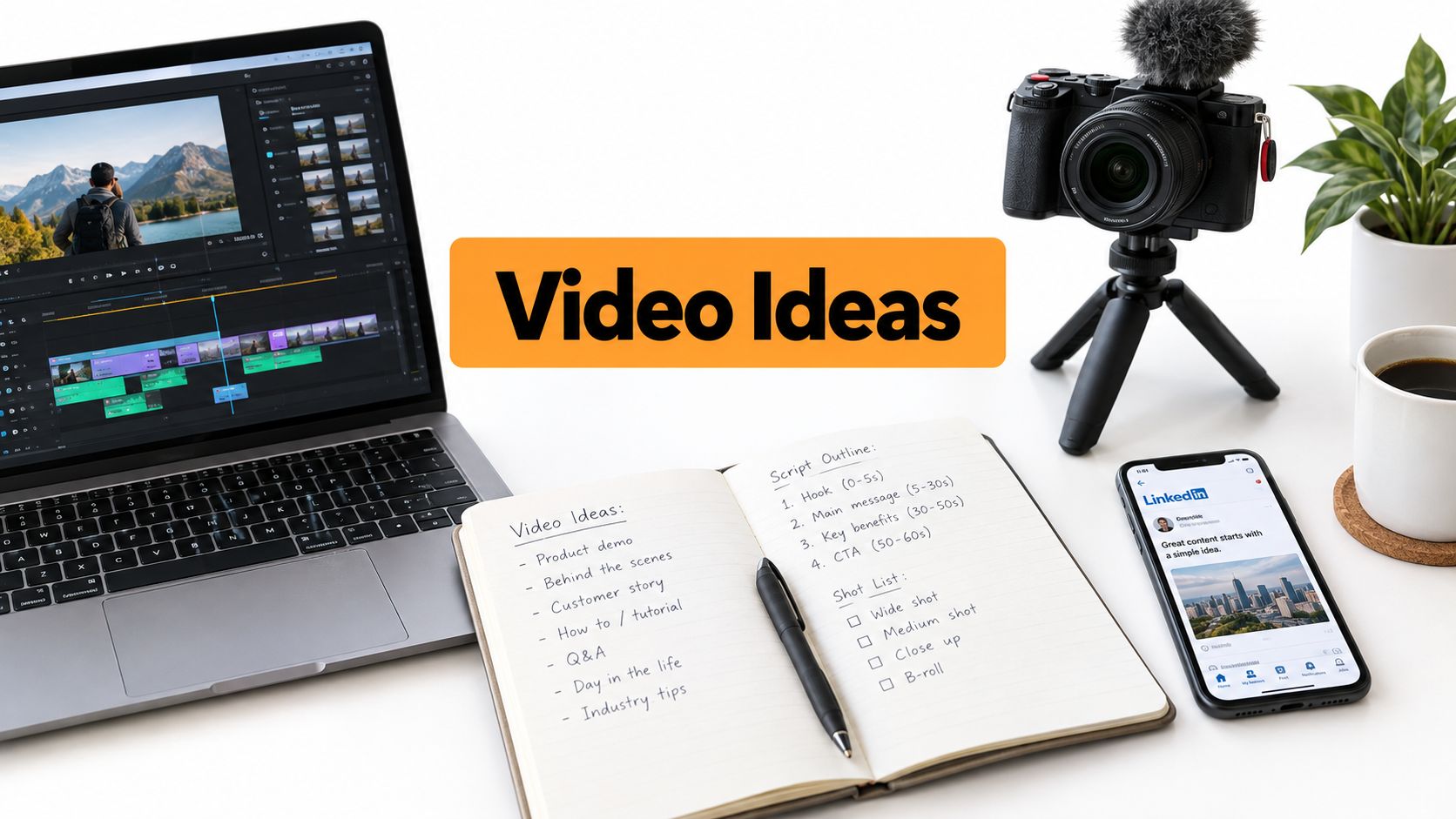
- Short-form video: Quick tips, employee interviews, or behind-the-scenes clips are gold. Video is super engaging and puts a real face to your brand name.
- Polls: Ask your audience a solid question related to your industry. It’s a low-effort way for them to engage and gives you a peek into what they're thinking.
At the end of the day, your content strategy will always be a work in progress. Keep a close eye on your analytics to see what people are responding to. Double down on what works, keep testing new ideas, and never stop focusing on providing genuine value. That's the real secret to turning your LinkedIn Company Page from a simple broadcast channel into a thriving community hub.
Measuring Success and Understanding Your Analytics

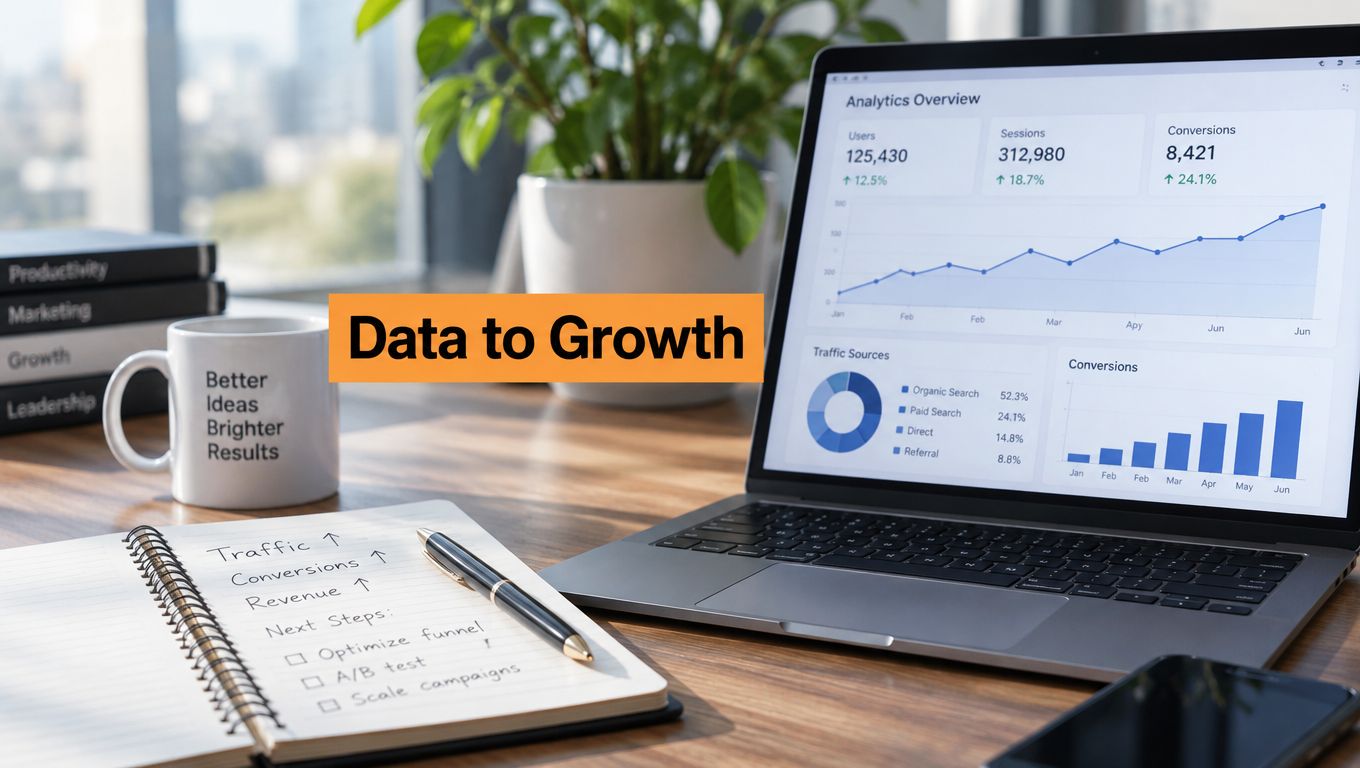
Okay, so you've put in the work. Your page is looking sharp, and you’re pushing out great content. But how do you know if any of it is actually moving the needle? Just posting and praying isn't a strategy. This is where your LinkedIn Company Page analytics become your best friend—it's the dashboard that shows you what’s working and what’s falling flat.
It’s incredibly easy to get overwhelmed by all the numbers. The trick isn't to track every single metric, but to zero in on the ones that tell a story about your audience and whether your content is hitting the mark. Let's dig into the data that matters so you can figure out where to double down.
Navigating Your Page Analytics Dashboard
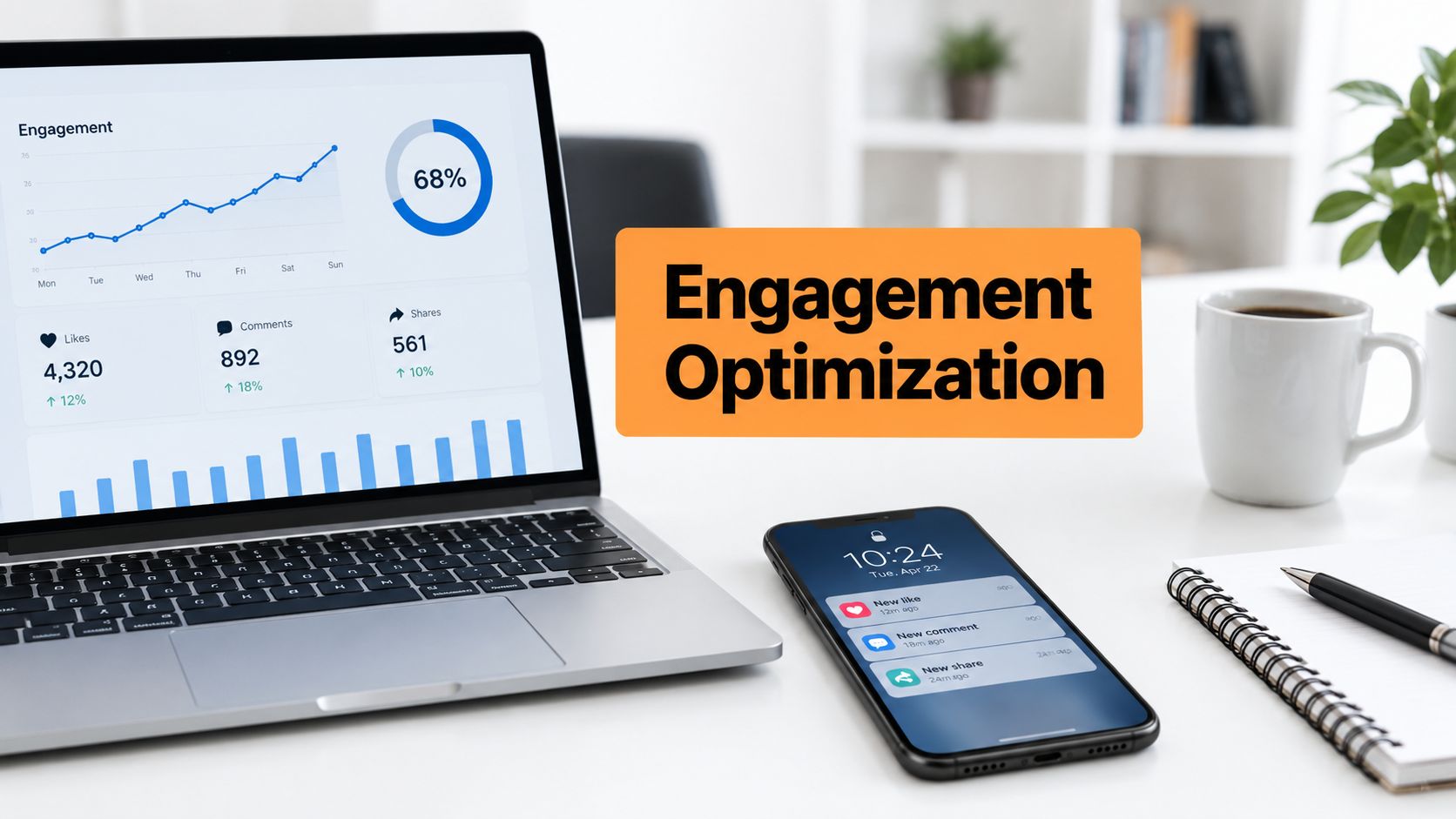
First things first, let's find your stats. From your page’s admin view, you'll see an "Analytics" tab at the top. Click it. LinkedIn helpfully breaks down the data into a few key areas, but for your day-to-day strategy, you'll want to live in three of them.
- Visitors: This is pure gold. It shows you who’s checking out your page, even if they aren't following you. You get a breakdown of their job titles, seniority, and industries. This is your reality check—are you actually reaching the people you think you're reaching?
- Followers: This one's pretty straightforward. It tracks your follower growth over time and gives you the demographic dirt on your community. A nice, steady climb is what we want, but keep an eye out for sudden spikes. What did you post that day that made a bunch of new people want to hear from you?
- Content: I'd bet you'll spend most of your time here. This tab is where you can see exactly how each post performed—impressions, clicks, comments, shares, the whole nine yards.
Think of your analytics as a direct feedback loop from your audience. They're telling you, with their clicks and comments, what they actually find interesting.
Key Metrics That Truly Matter
Don't get distracted by vanity metrics. Bigger numbers aren't always better. Instead, focus on the stats that signal real engagement and interest.
- Engagement Rate: Honestly, this is the big one. It's the total number of interactions (likes, comments, clicks, etc.) divided by your impressions. A high engagement rate tells you your content isn't just being seen; it's making people stop scrolling and pay attention.
- Click-Through Rate (CTR): This is a fantastic measure of how compelling your copy and offer are. If people are clicking the links in your posts, it means you gave them a good enough reason to leave LinkedIn and check out what you have to say.
- Top Performing Posts: LinkedIn practically hands you your content strategy on a silver platter by highlighting your best posts. Look for patterns. Was it that behind-the-scenes video? The controversial opinion on an industry trend? A simple client story? This is your roadmap for what to create next.
Your analytics dashboard is not a report card; it's a compass. Use it to find your direction, not just to judge past performance. If a post flops, it's not a failure—it's data telling you what your audience doesn't care about.
Turning Data Into Actionable Insights
Data is just a bunch of numbers until you give it meaning. Your job is to be a bit of a detective.
For example, you launch a new series on B2B marketing, and suddenly you see a spike in "Marketing Managers" in your visitor demographics. Boom. You know you've hit on something valuable for that audience.
Or maybe you notice that your posts with a simple, custom-made graphic get twice the engagement of your text-only updates. That’s not a coincidence; it's a clear signal to lean into creating more visual assets. If you're managing multiple channels, centralizing all this info can be a lifesaver. You might find our guide on the best social media analytics tools useful here.
Start by setting small, achievable goals. Maybe you aim to bump your average engagement rate by 1% this quarter or grow your followers by 5%. By making a habit of checking your analytics—once a week is a great rhythm—you can make tiny, informed tweaks that add up to huge improvements over time. Before you know it, that confusing spreadsheet will become your most powerful strategic guide.
Common Mistakes to Avoid on Your LinkedIn Page
It's surprisingly easy to get your LinkedIn Company Page wrong. You can put in all the work to make it look sharp, but a few classic mistakes can completely tank your efforts, leaving your brand feeling disconnected or just plain invisible.
I see it all the time: the "set it and forget it" approach. A company treats its page like a digital megaphone, blasting out links and company news without ever stopping to listen. Remember, this isn't just a feed for your press releases; it's a social network. When you don't engage with comments, you're sending a loud and clear signal that you're not interested in a conversation.
Forgetting the Human Element
Another trap is letting your page sound like a corporate robot or a relentless sales pitch. People on LinkedIn want to connect with other people, not with jargon-filled ad copy. If every single post is pushing a product or a new offer, your audience will learn to scroll right past you.
This often creates a "ghost town" on your page. You might post in a flurry for a week and then go completely silent for a month. That kind of inconsistency tells your followers—and the LinkedIn algorithm—that you're not a reliable source of information.
People connect with people, not logos. The moment your page feels disconnected from the humans behind your company, you’ve lost the game. Your goal is to build a community, not just an audience.
So how do you fix this? Let your company's real culture shine through. Post behind-the-scenes content, celebrate your team's successes, and even share lessons from failures. Humanizing your brand is what makes your content feel authentic and genuinely worth following.
Overlooking Community Management
At the end of the day, many businesses simply forget the "social" part of social media. A great LinkedIn Company Page needs someone actively managing the community. Ignoring this leads to some pretty damaging habits:
- Ignoring comments and DMs: When someone takes the time to ask a question or leave feedback, silence is the worst possible response. It makes your brand seem aloof. Try to reply within 24 hours.
- Not encouraging employee advocacy: Your team members are your best brand ambassadors, hands down. Failing to get them involved in sharing and commenting on your content is a massive missed opportunity.
- Being a content ghost: Unexplained, long gaps between posts will absolutely kill your reach and momentum. Consistency is key to staying on anyone's radar.
Avoiding these common blunders really just comes down to a shift in mindset. Focus on real conversations, show off the people who make your business tick, and share valuable stuff on a regular schedule. If you can do that, you'll build a community that actually wants to hear from you.
Frequently Asked Questions
Even after all that, you might still have a few questions rattling around. Totally normal. Let's tackle some of the most common ones we hear when we're helping people get their LinkedIn presence off the ground.
How Often Should I Post on My Page?
Ah, the million-dollar question! Everyone wants to know the magic number for posting. While there's no single perfect answer, the data gives us a pretty clear direction. We've seen that pages posting at least once a week see double the engagement compared to those that post less often.
A great place to start is aiming for 2-3 high-quality posts per week. This pace is totally manageable for most teams and keeps your brand on your audience's radar without burning you out trying to create content every single day. Remember, it's about valuable conversation, not just hitting a quota.
What Is the Difference Between a Company Page and a Showcase Page?
This one trips a lot of people up. The easiest way to think about it is to picture your Company Page as your main corporate headquarters and a Showcase Page as a specialized storefront for one specific thing.
- Your Company Page is the mothership. It’s where you talk about your overall brand, company culture, big-picture news, and job openings. It represents your entire organization.
- A Showcase Page is an extension you create to zoom in on a specific product line, a major initiative, or a distinct brand under your corporate umbrella. For example, if a software company has a flagship CRM product, they could create a Showcase Page just for that product to share tutorials, user stories, and targeted updates with that specific audience.
What Are the Best Ways to Get More Followers?
Getting your first chunk of followers can feel like a grind, but it really comes down to a mix of smart setup and consistent promotion. First off, make sure your page is 100% complete and filled with the right keywords. This is your foundation for being discoverable in LinkedIn search.
Then, you have to be proactive. Start by inviting your personal connections to follow the page. Even more importantly, get your whole team on board. Encourage every employee to add the company to their experience section and share your page's content. A share from an employee is a powerful, trusted endorsement.
Ultimately, the most reliable way to grow a following is by consistently putting out content that's actually valuable. When you give people a genuine reason to follow you, your community will build itself.
A small, targeted follower ad campaign can also give you a nice little boost to get the ball rolling, but organic growth from great content is what builds a truly engaged audience for the long haul.
Tired of staring at a blank screen, wondering what to post on LinkedIn today? Let RedactAI handle the creative work for you. Our AI helps you whip up high-impact posts that sound just like you, giving you an endless stream of ideas so you can get back to building your brand. Start for free and find out why over 21,000 creators trust us to power their content.